Surgical OrthodonticsCoordinated Care for Complex Jaw and Bite Concerns
Some orthodontic concerns involve more than the position of the teeth. When the upper and lower jaws do not align properly, orthodontic treatment alone may not fully correct the bite.
Surgical orthodontics combines orthodontic treatment with corrective jaw surgery to improve the relationship between the teeth and jaws. At Oakville Orthodontics, treatment is carefully planned in collaboration with an oral and maxillofacial surgeon.
A complete assessment is required to determine whether surgical orthodontics may be appropriate for your needs.
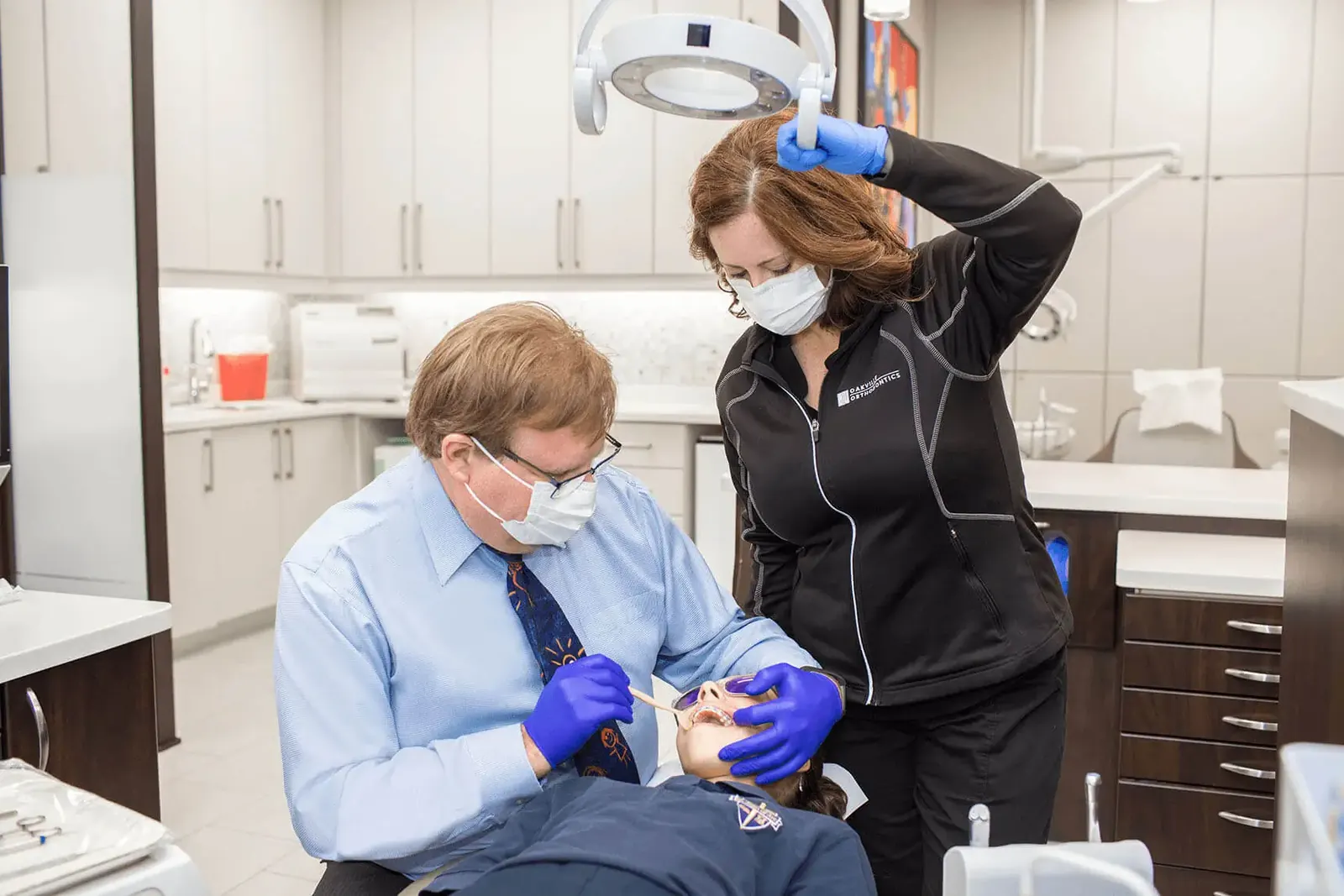
What Is Surgical Orthodontics?
Correcting the Position of the Teeth and Jaws
Surgical orthodontics, also known as orthognathic surgery, is a coordinated treatment used to address certain skeletal jaw irregularities.
Orthodontic treatment moves the teeth into planned positions, while corrective jaw surgery repositions one or both jaws when required. Together, these treatments can improve how the upper and lower teeth meet and support functions such as biting, chewing and speaking. (American Association of Orthodontists)
The surgery itself is performed by an oral and maxillofacial surgeon. Your orthodontist manages the orthodontic portion of care and works closely with the surgeon throughout planning and treatment.
Who May Need Surgical Orthodontics?
Surgical orthodontics may be considered when a significant difference in jaw position affects the bite and cannot be corrected by moving the teeth alone.
An assessment may be recommended for patients with concerns such as:
- A pronounced underbite or overbite
- An open bite
- Upper and lower jaws that do not align properly
- Difficulty biting or chewing
- Speech concerns related to jaw position
- Facial imbalance associated with jaw development
- A jaw that appears to shift or sit unevenly
- A significant skeletal concern that cannot be corrected with braces or aligners alone
These signs do not automatically mean surgery is necessary. Our orthodontists will complete an assessment and explain the available treatment options.
When Is Jaw Surgery Performed?
Treatment After Jaw Growth Is Complete
Corrective jaw surgery is generally considered after the jaws have finished growing. This typically occurs during the late teen years or early adulthood, although timing varies between patients. (American Association of Orthodontists)
Younger patients with developing jaw concerns may be monitored as they grow. In some cases, early orthodontic treatment may be recommended to address a separate concern or help guide development before comprehensive care begins.
The Surgical Orthodontic Process
Surgical orthodontic treatment is completed over several stages. The exact sequence and timing will depend on the patient’s needs.

Orthodontic Assessment
We examine your teeth, bite and jaw relationship, review your concerns and collect the diagnostic information needed to evaluate treatment options.
Collaborative Planning
If surgical treatment is being considered, your orthodontist and oral and maxillofacial surgeon coordinate the treatment plan.
Each professional has a specific role. The orthodontist plans the position of the teeth, while the surgeon evaluates and plans the required jaw correction.
Orthodontic Preparation
Braces are commonly used before surgery to move the teeth into positions that will fit together properly after the jaws are repositioned.
During this stage, the bite may temporarily appear different as the teeth are prepared for surgery.
Corrective Jaw Surgery
The oral and maxillofacial surgeon performs the procedure according to the coordinated treatment plan.
The surgery may involve repositioning the upper jaw, lower jaw or both jaws, depending on the patient’s needs. (AAOMS Oral and Maxillofacial Surgeons)
Healing and Monitoring
After surgery, the surgeon monitors healing while the orthodontist continues to oversee tooth alignment and bite development.
Recovery requirements and timelines vary based on the procedure. Patients receive specific instructions directly from their surgical team.
Finishing Orthodontic Treatment
Once sufficient healing has occurred, orthodontic treatment continues to refine tooth positions and complete the bite correction.
Retention
After active treatment, retainers are prescribed to help maintain the final tooth positions.
Benefits Of Surgical Orthodontics
Improving Function, Alignment and Facial Balance
Depending on the patient’s condition and treatment goals, surgical orthodontics may help:
Improve Bite Alignment
Coordinated treatment can improve how the upper and lower teeth meet.
Support Chewing and Speaking
Correcting jaw position may improve functions affected by skeletal misalignment.
Address Skeletal Jaw Differences
Surgery can reposition jaws that cannot be corrected through tooth movement alone.
Improve Facial Balance
Repositioning the jaws may create a more balanced relationship between the teeth, jaws and facial features.
Support Long-Term Treatment Stability
Correcting the underlying skeletal concern may help create a more stable orthodontic result.
Results, risks and expected benefits vary. Your orthodontist and surgeon will explain how the proposed treatment relates to your individual condition.
Coordinated Specialist Care
Your Orthodontist and Surgeon Work Together
Successful surgical orthodontic treatment depends on close coordination between the orthodontist and oral and maxillofacial surgeon.
Oakville Orthodontics manages the alignment of the teeth before and after surgery. The surgeon is responsible for evaluating, performing and monitoring the surgical procedure.
Your treatment team will explain each stage, coordinate the timing of care and provide instructions based on your specific treatment plan.
Frequently Asked Questions

Is surgical orthodontics the same as jaw surgery?
Surgical orthodontics refers to the complete treatment process, which combines orthodontic care with corrective jaw surgery. The surgical portion is also called orthognathic surgery.
Can braces correct a jaw alignment concern without surgery?
Braces can move teeth, but they cannot reposition an adult jaw. Whether surgery is necessary depends on the type and severity of the concern and the patient’s treatment goals.
Who performs corrective jaw surgery?
Corrective jaw surgery is performed by an oral and maxillofacial surgeon. The orthodontist manages tooth alignment and coordinates care with the surgeon.
Will I need braces before surgery?
Braces are commonly used before surgery to prepare the teeth for the planned jaw positions. The specific treatment sequence will be explained after assessment.
Will I still need braces after surgery?
Orthodontic treatment commonly continues after surgery so the orthodontist can refine the bite and complete tooth alignment.
How long does surgical orthodontic treatment take?
The total timeline varies according to the required tooth movement, surgical plan and healing process. Your treatment team will provide a personalized estimate.
How long does recovery take?
Recovery depends on the type and extent of surgery and the individual patient. Your oral and maxillofacial surgeon will provide detailed information about healing, activity restrictions and follow-up care. (AAOMS Oral and Maxillofacial Surgeons)
Is corrective jaw surgery performed only for appearance?
No. Although treatment may change facial appearance, corrective jaw surgery is primarily used to address skeletal and functional concerns involving jaw alignment, biting, chewing or speaking. (AAOMS Oral and Maxillofacial Surgeons)
Are there risks associated with corrective jaw surgery?
All surgical procedures involve potential risks. The surgeon will explain the relevant risks, benefits and alternatives before treatment so you can make an informed decision.
Do I need a referral?
Patients may contact Oakville Orthodontics for an initial assessment. If a surgical consultation is appropriate, our team can help coordinate the next stage of care.
Understand Your Treatment Options
If you have been told that your bite or jaw alignment may require more than braces or clear aligners, an orthodontic assessment can help clarify your options.
Meet with Oakville Orthodontics to discuss your concerns and determine whether coordinated surgical orthodontic care may be appropriate.